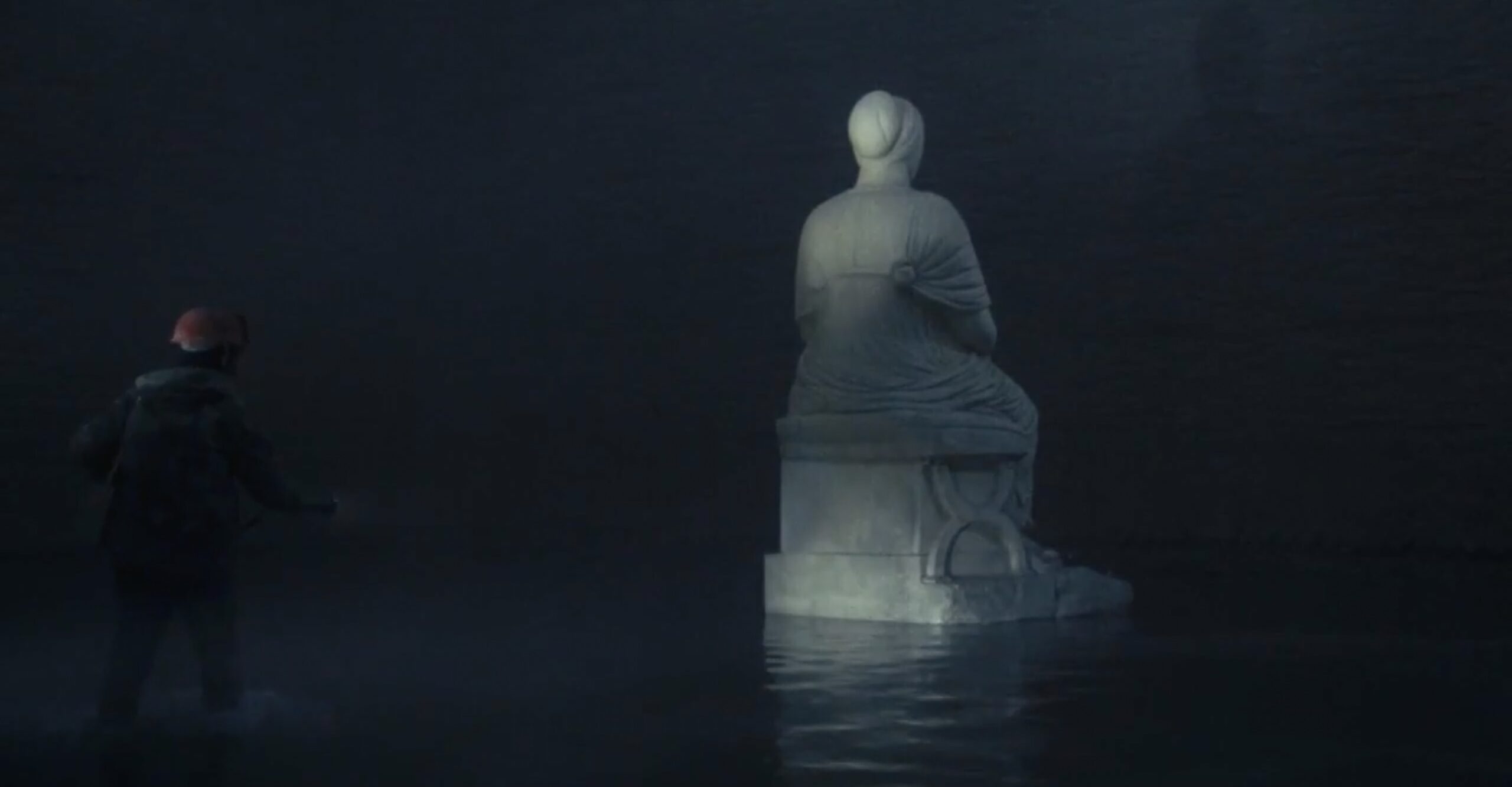
In Fred Fellini’s Roma, we dive into the underground of that filmmaker’s adoptive city, watching helplessly as a construction crew, while making progress on a new Metro line, destroys a room full of ancient frescoes. It’s an easy metaphor for a problem which has plagued Italians in particular for centuries: can one’s culture truly progress when reminders of past greatness seem to rear their haughty heads in seemingly every facet of life?
Like Fellini and his canonical colleagues, most of whom were already well into middle age during the so-called student revolution of 1968, intergenerational struggle in the cinema is itself old hat. And though the power of the gerontocracy continues to grow in my own country, the nation with Europe’s oldest citizens and the highest youth unemployment rate remains in a class unto itself, with Best Director winners for the David di Donatello averaging nearly a decade older (57.7) than their Academy Award-winning counterparts (48.2) at the time of their nomination.
Yet even as ancients like the once-angry Marco Bellocchio continue to gobble up awards at Italy’s gilded grande dame festivals, a few angry up-and-comers have been taking matters into their own hands.
For the filmmakers behind Giungla Collective, it wasn’t so much about finding their voice as it was about getting it heard. “In Italy, there is a big problem with film festivals: if you don’t graduate from a very important school, if you don’t have relatives in the cinema, you’re cut off,” says the shaggy-haired, mustachioed director and co-founder Lorenzo Silano. A chance reunion with dry-witted, bespectacled Giovanni Merlini, who he’d met at a clinic for aspiring filmmakers when both were children, found the pair bonding over this shared struggle to break into the industry, leading to the formation of the collective back in 2018.
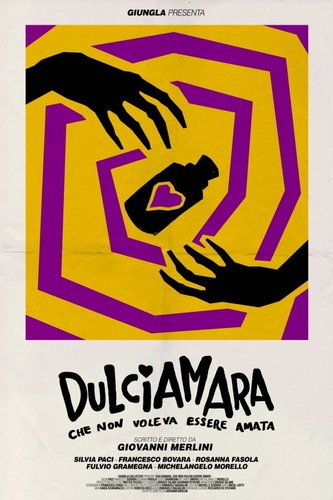
Bringing other filmmaking friends aboard, including Francesco Bovara, Andrea Damiano, and Nicola Eddy, the group began producing low-budget short films and music videos while based in Rome, from Dulciamara (2018) to La Fabbrica del Ghiaccio (2020), but it was their founding of the Festa del Cinema Pirata might be the most compelling aspect of their young careers.
Hosted on the coast each summer in San Benedetto del Tronto, Le Marche’s so-called Riviera of the Palms, the Pirate Film Festival is intimate, casual, yet it is nothing if not ambitious. Inspired in part by the Bellaria Film Festival, which celebrated its 44th year of independence in the eponymous beach town a few miles north of Fellini’s birthplace, the Festa del Cinema Pirata aims to champion an independent, diverse, “courageous” cinema in Italy, platforming underrepresented voices in the industry while demanding that all participating filmmakers and jurors must be under the age of 35.

“Fuck the networks of power. Fuck your cousin’s endorsement. Fuck the concerns of the wealthy,” an early manifest declares.
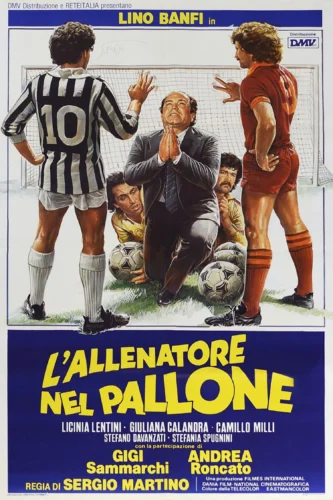
While the majority of the collective lives in Rome, where the vast majority of Italian film production takes place, they host the film festival in San Benedetto for several reasons. No, not the Brodetto alla Sambenedettese (a briny seafood stew which I have to mention here because I reference it in the title), and presumably not because the L’allenatore del pallone (Martino, 1984) was filmed here.
Bovara, a San Benedetto native who went to high school with Merlini, sees the setting as an important counterpoint to a monoculturalism which has accompanied the “zoo-like” tourism across Europe. “If you want to create culture in Rome,” says the actor, “you end up floating in an ocean and you are totally devoured.”

Hosting the festival in a relatively small beach town, home to just under 50,000 people, further underscores the aims of the Collective while championing the distinct identity of the region. “San Benedetto del Tronto is famous for three things: the port, soccer, palm trees, and class struggle,” they declare, seemingly citing the story of the Proletari armati in lotta (Armed Proletarians in Battle)1. And though their arithmetic may not be their strong suit, they certainly seem have found some success in their own lotta as they welcome the 4th Edition of their festival from June 26-28th in San Benedetto.
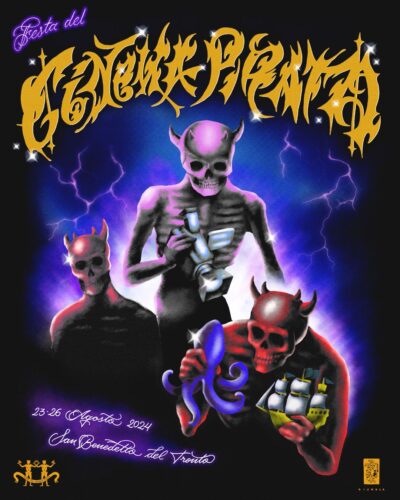
“For me, the first two years [of the festival], I took great care in developing the ‘post-screening’ atmosphere, which was basically just a lot of partying, Silano recalls. “At the inauguration of the festival, I was in a swimsuit with my shirt unbuttoned; I hadn’t even had time to shower.”
Of course, like the construction crew from Fellini’s film, the Collective has plenty of obstructions on their path to bring independent cinema to San Benedetto. “[San Benedetto] during the summer is full of clubs, so we try to attract young people, to introduce a different point of view, which then hopefully leads them to be interested in the film festival itself…considering that we aren’t really able to [navigate] the local politics and institutions too much, the municipal government has supported us, but in a very limited way compared to [those] other events” Damiano notes.
Then there’s the elephant in the Giungla: as most in the Collective approach thirty, with a few years of industry experience under their belt as their shorts like Batrachia (Silano, 2025) and From The Sewers (Eddy, 2026) receive acclaim on the festival circuit, soon they, too, will be part of the demographic they’re theoretically working against.
“We need to find a way to bring people younger than us into the festival, because we’re already realizing—even if Lorenzo is mentally less mature than the rest of us—that we’re drifting away from the generation we want to appeal to,” Damiano jokes. “We’re becoming detached from certain themes, we’re losing our sense of style, and we’re understanding each other less and less, so the more young people we can bring on board, the better things will be. Then when we turn 35, there will be [a new generation] ready to take things over.”
In the meantime, may the lotta continue.
Catch the Festa del Cinema Pirata in San Benedetto del Tronto from June 26-28, followed by Fare Cinema Pirata (“Make Pirate Cinema”), a workshop for aspiring filmmakers from 15-25 years of age, from June 25 to July 5th. All screenings and events are free of charge.
- In 1970, when a ship began sinking off the coast of San Benedetto, its owner opted to sacrifice the vessel — along with the fishermen aboard — in order to collect the insurance premium associated with its wreckage. This kicked off a battle between Lotta Continua (the city’s far-left flank of the Communist party), who revolted in support of the fishermen, and the neo-Fascist MSI, who did not. In turn, a coalition of militants broke off from the LC to form PAIL before joining the Red Brigades in 1974. ↩︎